For most, the term SEO conjures up images of Google ranking. Until I thought about it myself. For long, I did not give a thought to LinkedIn search visibility, and just optimized my blog, backlinks and website.
That changed when I noticed something surprising.
A small B2B software company with almost no blog traffic was still getting qualified leads consistently. After checking their strategy closely, I realized most of their visibility was coming directly from LinkedIn. Their company page, employee profiles, and posts were appearing in LinkedIn search results every day.
This experience really transformed my whole attitude to B2B marketing.
LinkedIn is no longer a network site. It has become a search engine for professionals. Before clicking on a website, decisionmakers are looking for agencies, consultants, SaaS providers and services companies directly on LinkedIn.
You will be missing opportunities where your B2B brand can be present when it is not.
Table of Contents
Where Most B2B Brands Lose Visibility
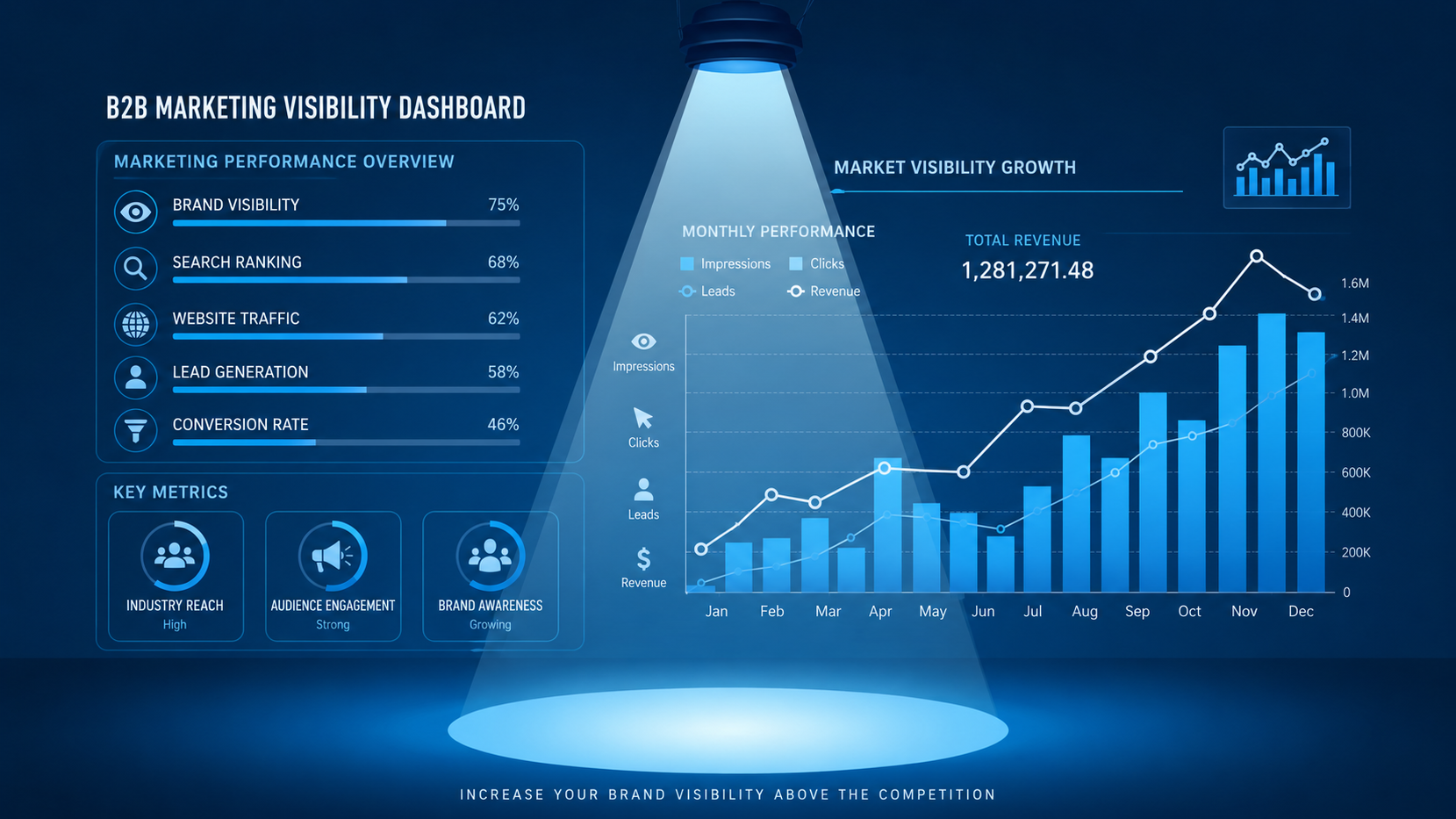
Unlike other social platforms geared primarily for entertainment, LinkedIn is a place where professionals are looking to buy.
People search for:
- Marketing agencies
- SaaS tools
- HR services
- Web development companies
- Business consultants
- AI automation experts
The important part is this: users searching on LinkedIn are often closer to making business decisions.
I personally noticed this when I optimized my profile around SEO consulting and automation-related terms. Within a few weeks, profile views increased from business owners who were already looking for solutions instead of random traffic.
That is the biggest difference between traditional social media marketing and LinkedIn SEO.
LinkedIn visibility attracts targeted professional attention.
How LinkedIn Decides What to Show
LinkedIn’s algorithm looks at several ranking factors when deciding what profiles or pages appear in search results.
Some of the major elements include:
Profile Completeness
Incomplete profiles rarely perform well. LinkedIn prefers active and fully optimized accounts.
Keyword Relevance
Keywords placed naturally in:
- Headlines
- About sections
- Experience descriptions
- Skills
- Company pages
can improve discoverability.
Engagement Signals
Posts with meaningful engagement often increase profile visibility over time.
Network Relevance
LinkedIn also considers mutual connections and industry relevance when showing search results.
I learned this after testing two different profile headlines. One version sounded creative but vague. The other clearly mentioned SEO strategy and B2B content optimization.
The second version immediately performed better in search visibility.
Clear wording usually beats clever wording.
Optimizing Your LinkedIn Company Page
Many B2B brands create a LinkedIn page and leave it untouched for months. That is one of the biggest mistakes.
Your company page should work like a searchable landing page.
Use Industry Keywords Naturally
Avoid stuffing keywords repeatedly.
Instead of writing:
“Best SEO agency for SEO services and SEO growth.”
Write naturally like this:
“We help B2B companies grow their organic visibility by optimizing for content and technical SEO, and optimizing for conversions.”
The second version sounds human while still supporting LinkedIn SEO.
Improve Your About Section
Your About section should explain:
- What you do
- Who you help
- Problems you solve
- Industries you serve
Keep it readable instead of overly corporate.
I once helped improve a B2B page that only said:
“We deliver innovative solutions globally.”
Nobody searches for that.
After rewriting it with specific service-related language, impressions increased noticeably within weeks.
Add Consistent Content
Inactive pages lose visibility and momentum.
Posting regularly helps LinkedIn understand your niche expertise.
Useful content types include:
- Industry insights
- Case studies
- Short tutorials
- Client lessons
- Market observations
- Data-driven opinions
Personal Profiles Matter More Than You Think
One thing many companies ignore is employee visibility.
In B2B marketing, people trust people before brands.
Often, employee profiles rank higher than company pages in LinkedIn search results.
That means founders, marketers, and sales teams all contribute to LinkedIn SEO performance.
I experienced this personally when one of my educational posts performed better than an official page update. The personal post generated more conversations because people connected with the human perspective behind it.
Encourage team members to:
- Optimize headlines
- Share industry content
- Add relevant experience keywords
- Stay active consistently
This creates multiple entry points for discovery.
Creating Search-Friendly LinkedIn Content
LinkedIn content should balance readability and discoverability.
Focus on Search Intent
Ask yourself:
“What would my ideal client search for?”
For example:
- B2B lead generation
- SaaS onboarding strategy
- Marketing workflow automation
- Email deliverability solutions
Then create posts around those subjects naturally.
Write Like a Human
One mistake I made early was trying to sound overly polished.
The posts felt robotic.
Later, I switched to conversational writing with real experiences and observations. Engagement improved because the content sounded authentic instead of manufactured.
People respond better to practical experiences than generic motivational advice.
Use Structured Formatting
Long paragraphs reduce readability.
Instead:
- Use spacing
- Add short sections
- Include bullet points
- Keep sentences clear
Good formatting improves content retention and engagement.
Using Keywords Without Looking Robotic
Keyword stuffing damages readability and trust.
The best approach is contextual optimization.
For example, instead of repeating “LinkedIn SEO” constantly, mix related wording such as:
- LinkedIn visibility
- profile optimization
- B2B discoverability
- LinkedIn search rankings
- professional search traffic
This keeps the content natural while still reinforcing topical relevance.
I generally read my content as I would read it to myself before the text is published. In a spoken discussion, it may seem like it’s repeating itself, and it likely does in a reader’s mind as well.
Building Authority Through Engagement
LinkedIn SEO is not only about profile optimization.
Engagement also matters.
Useful ways to increase authority include:
Commenting Thoughtfully
Generic comments like “Great post” add little value.
Meaningful responses create visibility and credibility.
Starting Conversations
Ask practical industry questions that encourage discussion.
Sharing Real Experiences
Posts based on lessons, failures, experiments, or client situations often perform better than generic advice.
One time I shared a small LinkedIn optimization change that unexpectedly improved profile discovery. That simple real-world observation generated more interaction than a heavily planned educational thread.
Authenticity usually outperforms perfection.
Strong engagement can extend beyond LinkedIn itself. When industry professionals discover and share your expertise, it can create opportunities for backlink acquisition, guest posting, podcast invitations, and other authority-building activities that support long-term SEO growth.
Mistakes That Hurt LinkedIn Visibility
Some common LinkedIn SEO mistakes include:
- Ignoring profile optimization
- Using vague headlines
- Posting inconsistently
- Writing robotic content
- Overusing hashtags
- Keyword stuffing
- Treating LinkedIn like Twitter
- Never engaging with others
Another major issue is copying the same AI-generated style repeatedly. Readers notice repetitive patterns quickly.
B2B audiences especially value clarity and originality.
Real Example: What I Changed on a B2B Page
A while ago, I reviewed a B2B automation company page struggling to gain visibility. Their content looked professional but lacked specificity.
The page used broad phrases like:
“Helping businesses scale digitally.”
I rewrote sections using clear service language connected to actual buyer searches.
We also changed:
- Generic headlines
- Weak descriptions
- Inactive posting schedules
- Low-engagement content topics
The page was visited more relevant profile visits and direct inquiries in a few months. The most significant change has been to make communication easier rather than more corporate sounding.
This experience furthered something significant:
The key to the SEO benefit may be clarity.
Final Thoughts
In this increasingly digital world, LinkedIn is a business search engine and B2B brands are increasingly facing competition for their LinkedIn SEO efforts.
It’s not just about having viral content, nor is it about needing massive budgets for advertising.It’s not about viral content, or big budgets for advertising.
It comes from:
- Clear positioning
- Consistent activity
- Helpful insights
- Human communication
- Strategic keyword usage
Brands that succeed on LinkedIn today tend to be ones that are knowledgeable, relatable and helping.
Optimisation is important but trust is more important.
FAQs
What is LinkedIn SEO?
LinkedIn SEO involves optimizing the profiles, company pages, and content to increase its visibility in LinkedIn search results.
Why is LinkedIn important for B2B marketing?
Decision makers, business owners, and professionals are looking for services, partnerships, and industry knowledge on LinkedIn.
How often should B2B brands post on LinkedIn?
Consistency matters more than volume. Posting a few high-quality updates weekly is usually better than posting daily low-value content.
Do keywords matter on LinkedIn?
Yes. Prominent use of relevant keywords within headlines, descriptions and content enables LinkedIn to comprehend your specialism and make you more discoverable.
Can employee profiles help company visibility?
Absolutely. Employee activity and optimized profiles can increase overall brand reach and credibility on LinkedIn.
What type of LinkedIn posts perform best for B2B brands?
Practical insights, real experiences, industry lessons, case studies, and educational content often perform well.