Google Sandbox Effect is one of the hot fads in the sphere of search engine optimization (SEO). You may have created a new website and had a hard time with it to get it to be listed in the search results, despite the site having high quality content and a good link building strategy? Is there a sandbox or is that merely a myth of Google algorithms?
Enough beating around the bush.
What Is the Google Sandbox Effect?
The Google Sandbox Effect is referred to as the notion that newly introduced websites might fail to appear in Google search ranking fast, despite the correct implementation of the SEO strategy and technical SEO services. It is thought that Google weighs new areas with time to get a sense of trust, authority and relevance and then gives it more visibility in rankings.
Why Do People Think it’s There?
This is what many SEOs have seen:
- New sites take months to rank
- Even well-optimized pages don’t rank well at first
- Improvements begin suddenly after a time
These make it seem like there’s a delay.
But perception ≠ proof.
What’s Actually Happening?
Rather than a literal sandbox, you’re probably seeing a mix of ranking factors that tend to affect new websites, including:
- Lack of domain authority
- Limited backlinks
- Lack of historical trust signals
- Minimal user interaction data
Google values trust, but new websites lack this.
Symptoms (Frequently Confused with Sandbox)
| Symptom | What It Looks Like | Real Explanation |
|---|---|---|
| Slow ranking growth | Stuck pages past page 5 | Low authority & trust |
| Late later sudden spike in ranking | Monthly rankings of site jumps | Long-stored signals coming into play |
| Poor content not ranking | High-quality posts ignored | Competitive keywords + no authority |
| Indexed but invisible | Pages are found in index and no traffic | Weak relevance signals |
Example 1: New Blog Website
A blogger publishes a tech blog with high-quality content.
- Month 1-2: Indexed but no traffic
- Month 3-4: Begins to rank for long-tail keywords
- Month 6: Starts to rank with backlinks and regular content
Conclusion: No sandboxing, just gaining authority
Example 2: E-commerce Store
Launch of an e-commerce site with product pages.
- Stage 1: No rankings for high competition keywords
- After backlinks + reviews: Rankings improve
- After 6 months: Stable traffic growth
Result: Reviews and backlinks – not sandbox escape
Example 3: New Domain vs Old Domain
Two sites launched:
- Site A: New Domain
- Site B: Expired domain, some backlinks
Result:
- Site B ranks faster
The verdict: History is important, not the sandbox
Why (Theoretically) Google would have a sandbox
While unconfirmed, this isn’t a completely absurd idea. If Google did use something like a sandbox, it would be to:
- Stop junk sites from “instant ranking”
- Evaluate site quality over time
- Decrease gaming of the system
But once again, this can all be explained by current ranking factors.
What is Google looking at ?
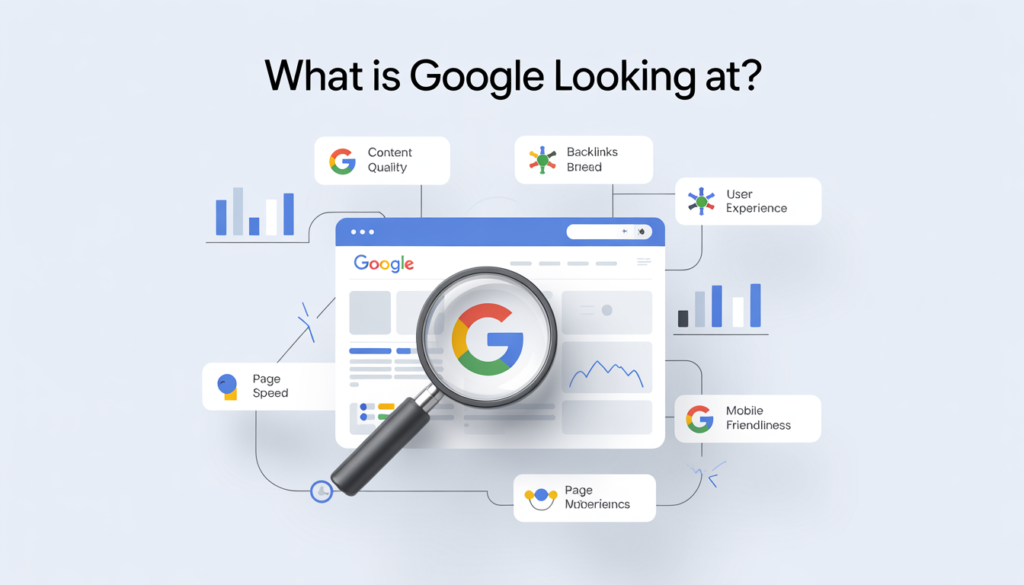
Rather than being concerned about the sandbox, focus on the fundamentals:
1. Content Quality
- Unique, helpful and well-organized content
- Addresses the searcher’s intent
Follows a strong content SEO strategy to ensure the content is optimized for both users and search engines
2. Backlinks
- Links from authoritative sources
- Organic link building
3. Technical SEO
- Fast loading speed
- Mobile-friendly design
- Clean site structure
4. User Signals
- Click-through rate (CTR)
- Time on page
- Bounce rate
5. Consistency
- Regular updates
- Ongoing content publishing
How to Leave the Sandbox (Even if it isn’t there)
Don’t try to cheat, do this:
- Go after less competitive keywords
- Construct thematically related material (a few related pages)
- Early backlinks (guest posts, directories, partnerships)
- Improved internal linking
- Focus on user experience
It’s like creating trust, not breaking out of jail.
The Verdict: Myth or Fact?
The quick answer:
A myth, but not without foundation
There’s no sandbox, but there is a lag time due to:
- Lack of trust
- Limited data
- Competitive environments
It’s not a penalty, it’s Google being safe
Key Takeaway
Don’t worry whether Google is punishing your site.
Instead, focus on:
- Building authority
- Publishing valuable content
- Building trust
Because when it comes to SEO, patience is a virtue.
FAQs
1. Is the Google Sandbox Effect real?
No, it’s not a Google confirmed thing. The so-called sandbox is simply a natural ranking delay because of low trust and authority.
2. What will be the duration of ranking my site?
An increase in rankings will be created on average 3-6 months based on the competition level, the quality of the content and backlinks.
3. Can a new site be ranked in a shorter amount of time?
Yes, focus on less competitive keywords, create high-quality backlinks, address technical SEO problems, and create new content regularly.
4. My site is being indexed but not ranking?
This most probably implies that Google has catalogued your page, but does not believe it to be good or relevant as compared to rival pages yet.
5. Will backlinks remove the sandbox effect?
Backlinks don’t “take away” a sandbox, but they increase authority and trust – helping pages rank faster.
6. Is an aged domain better?
Yes, older or “old” domains with authority can rank faster than new domains.